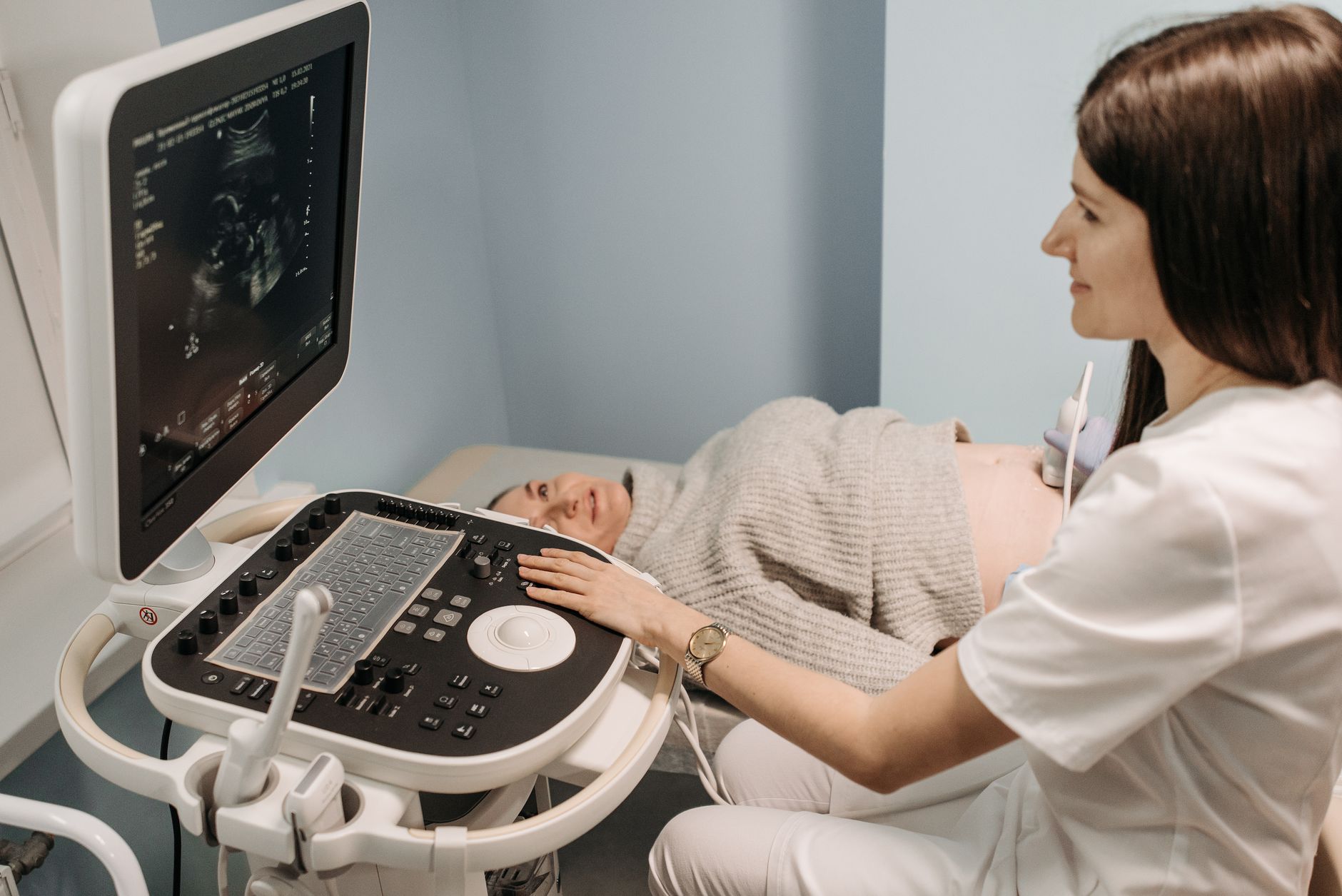

For adolescent and young adult (AYA) women diagnosed with cancer, the prospect of treatment often brings a devastating secondary concern: the potential loss of fertility. Chemotherapy and radiation, while life-saving, frequently damage ovarian function, leading to premature ovarian insufficiency and infertility. Addressing this critical issue requires timely access to fertility preservation options, yet availability remains inconsistent.
A cancer diagnosis in adolescence or young adulthood presents a unique set of challenges, particularly for women contemplating their future reproductive health. Many standard oncological treatments, including alkylating agents, certain antimetabolites, and pelvic radiation, are profoundly gonadotoxic. This damage can manifest as primary ovarian insufficiency, leading to early menopause, infertility, and long-term health consequences such as increased risk of cardiovascular disease and osteoporosis. The unmet need for comprehensive fertility preservation strategies is substantial, affecting thousands of AYA women annually across Europe.
Established clinical guidelines from major oncology and fertility societies recommend that all AYA cancer patients receive counselling on treatment-related fertility risks and available preservation options before initiating chemotherapy or radiotherapy. These options typically include oocyte or embryo cryopreservation, ovarian tissue cryopreservation, and ovarian transposition. The urgency of cancer treatment, however, often creates a narrow window for these interventions, demanding rapid referral and coordination between oncology and reproductive medicine specialists. The Oxford Handbook of Oncology provides a concise overview of these complex considerations.
The Disparity in Access
Despite clear recommendations, the implementation of fertility preservation services for AYA women with cancer is far from uniform. Geographical location, institutional resources, and even the specific type of cancer can dictate whether a patient receives timely information and access to these vital procedures. Patients in urban centres with large academic hospitals often have better access to specialised reproductive endocrinology and fertility preservation units. But those in rural areas or regions with less developed healthcare infrastructure frequently face significant barriers, including a lack of local expertise, limited funding, and logistical challenges in travelling to distant specialist centres.
The lack of standardised referral pathways also contributes to this disparity. Oncologists, particularly those outside of major cancer centres, may not consistently initiate discussions about fertility preservation, or they may lack the immediate resources to facilitate a rapid referral. This oversight can be critical, as delays of even a few weeks can preclude certain preservation methods, especially for aggressive cancers requiring immediate treatment. The psychological burden on young women who are not offered these options, or who learn about them too late, is considerable, adding to the already immense stress of a cancer diagnosis.
Navigating the Options
For pre-pubertal girls and young women who cannot undergo ovarian stimulation, ovarian tissue cryopreservation (OTC) is the primary method of fertility preservation. This involves surgically removing a portion of the ovarian cortex, freezing it, and later reimplanting it after cancer treatment. OTC has shown success in restoring ovarian function and achieving live births. For post-pubertal women, oocyte or embryo cryopreservation are more commonly employed. These methods require ovarian stimulation over 10-14 days to retrieve multiple eggs, which are then frozen as oocytes or fertilised and frozen as embryos. The choice of method depends on the patient's age, marital status, and the urgency of cancer treatment.
The financial implications of fertility preservation also represent a significant hurdle. While some national health systems or private insurers cover a portion of the costs, many patients face substantial out-of-pocket expenses for procedures, medication, and long-term storage of reproductive material. This financial burden can be prohibitive for young patients and their families, effectively creating a two-tiered system where access is determined by economic status rather than clinical need. Addressing these cost barriers is essential for equitable access.
The Path Forward
Improving access to fertility preservation requires a multi-pronged approach. Education for oncologists and other healthcare providers is paramount to ensure that fertility risks are consistently discussed with AYA patients at the earliest possible stage. Developing clear, integrated referral pathways between oncology departments and fertility centres can streamline the process, reducing delays. Advocating for broader insurance coverage and public funding for fertility preservation services would alleviate the financial strain on patients, making these options accessible to all who need them.
The long-term psychological and social well-being of cancer survivors is inextricably linked to their ability to achieve their reproductive goals. Neglecting fertility preservation not only impacts individual patients but also represents a failure of comprehensive cancer care. The current variability in access underscores a systemic issue that demands urgent attention from healthcare policymakers and providers alike. Every AYA woman with cancer deserves the opportunity to make informed decisions about her future fertility, free from geographical or financial constraints.
The persistent disparities in fertility preservation access for AYA women with cancer are a stark reminder that guideline recommendations do not automatically translate into equitable clinical practice. Oncologists must integrate fertility counselling as a non-negotiable component of initial patient discussions, not an afterthought. The window for intervention is often narrow, and delays can render preservation impossible, leaving patients with profound regret.
Referral pathways need to be robust and efficient. It is insufficient to simply mention options; clinicians must actively facilitate rapid access to reproductive specialists. This requires institutional commitment to multidisciplinary collaboration and potentially dedicated fertility navigation services within cancer centres. The administrative burden should not fall solely on the patient or their family during an already overwhelming time.
The financial aspect cannot be overlooked. For many, the cost of oocyte retrieval, embryo freezing, or ovarian tissue cryopreservation is prohibitive. This creates an ethical dilemma where a patient's future family planning is dictated by their ability to pay, rather than their medical need. Policy makers and healthcare systems must address these funding gaps to ensure that fertility preservation is a right, not a luxury.
The goal is to provide holistic care that considers not just survival, but also the quality of life post-treatment. Denying or delaying access to fertility preservation options for AYA cancer patients is a failure to meet this standard. We owe these patients more than just a cure; we owe them a future.
- The Pivot Despite established guidelines, access to fertility preservation for AYA women with cancer varies widely by region and institution.
- The Data A significant proportion of eligible patients do not receive adequate counselling or access to services before commencing oncological treatment.
- The Action Clinicians must proactively discuss fertility preservation options with all AYA cancer patients at diagnosis, ensuring referrals are made without delay.
ART-2026-1091
·09/26
Drafted with AI assistance, reviewed and approved by the editorial team. This publication is intended for healthcare professionals, researchers, and life science industry professionals. Content is provided for informational and educational purposes only and does not constitute medical advice.

Thirty years in health journalism, the last fifteen in life sciences. I have reported from every major medical congress and watched blockbuster drugs get revised after approval. I cover what the data says.
Cite This Article
Carter J, Voss M. The real reason AYA cancer patients miss fertility preservation. The Life Science Feed. Published August 12, 2026. Updated September 16, 2026. Accessed September 26, 2026. https://thelifesciencefeed.com/obstetrics-and-gyn/infertility-female/insights/the-real-reason-aya-cancer-patients-miss-fertility-preservation.
Editorial & AI Standards
All content is researched from peer-reviewed, open-access sources: published trial data, clinical guidelines, and regulatory filings. AI tools are used solely to structure and summarise that evidence; no AI-generated conclusions appear without editor verification against the primary source.
Every article is reviewed by a named editor before publication. Source citations are listed in the References section. This content does not represent the views of any pharmaceutical company, medical device manufacturer, or healthcare provider.
Licence & Rights
© 2026 The Life Science Feed. All rights reserved. Unless otherwise indicated, all content is the property of The Life Science Feed and may not be reproduced, distributed, or transmitted in any form or by any means without prior written permission.
Medical Disclaimer
The information provided on The Life Science Feed is for educational and informational purposes only. It is not intended as a substitute for professional medical advice, diagnosis, or treatment. Always seek the advice of your physician or other qualified healthcare provider regarding any medical condition or treatment decision. Never disregard professional medical advice or delay in seeking it because of something you have read on this website.
References
1. Oktay K, Harvey BE, Partridge AH, et al. Fertility Preservation in Patients With Cancer: ASCO Clinical Practice Guideline Update. J Clin Oncol. 2018;36(19):1994-2001. doi:10.1200/JCO.2018.78.1914
2. Salman L, Covens A. Fertility Preservation in Cervical Cancer-Treatment Strategies and Indications. Curr Oncol. 2024;31(1):296-306. doi:10.3390/curroncol31010019
3. Ulrich ND, Raja NS, Moravek MB. A review of fertility preservation in patients with breast cancer. Best Pract Res Clin Obstet Gynaecol. 2022;82:60-68. doi:10.1016/j.bpobgyn.2022.01.004
4. Su HI, Lacchetti C, Letourneau J, et al. Fertility Preservation in People With Cancer: ASCO Guideline Update. J Clin Oncol. 2025;43(12):1488-1515. doi:10.1200/JCO-24-02782
5. Del-Pozo-Lérida S, Salvador C, Martínez-Soler F, Tortosa A, Perucho M, Giménez-Bonafé P. Preservation of fertility in patients with cancer (Review). Oncol Rep. 2019;41(5):2607-2614. doi:10.3892/or.2019.7063
6. Morice P, Scambia G, Abu-Rustum NR, et al. Fertility-sparing treatment and follow-up in patients with cervical cancer, ovarian cancer, and borderline ovarian tumours: guidelines from ESGO, ESHRE, and ESGE. Lancet Oncol. 2024;25(11):e602-e610. doi:10.1016/S1470-2045(24)00262-6