
The concept of cancer as a transmissible disease often conjures images from science fiction, but in the natural world, it is a stark reality for a handful of species. These are not merely cases of infectious agents causing cancer, but rather the direct transfer of malignant cells from one individual to another, where they take root and proliferate. Understanding why this phenomenon is so rare, and effectively absent, in humans offers critical insights into our immune system's formidable defences.
This unique biological vulnerability in certain animal populations highlights the intricate relationship between host immunity, genetic homogeneity, and the evolutionary pressures that allow such a disease to persist. The mechanisms preventing human transmissible cancers demonstrate our species' complex biological safeguards.
Cancer, in its most common forms, arises from mutations within an individual's own cells, leading to uncontrolled proliferation. The idea that these malignant cells could jump from one organism to another and establish a new tumour in the recipient seems counterintuitive to our understanding of immunology. But this is precisely what happens in several distinct animal lineages, presenting a fascinating, if grim, natural experiment in oncology.
These transmissible cancers are not caused by viruses or bacteria that induce oncogenesis, but by the direct transfer of living cancer cells themselves. The recipient's body then accepts these foreign cells, allowing them to grow into new tumours. This process bypasses the usual immune rejection mechanisms that typically eliminate non-self cells.
The Mechanisms of Transmission
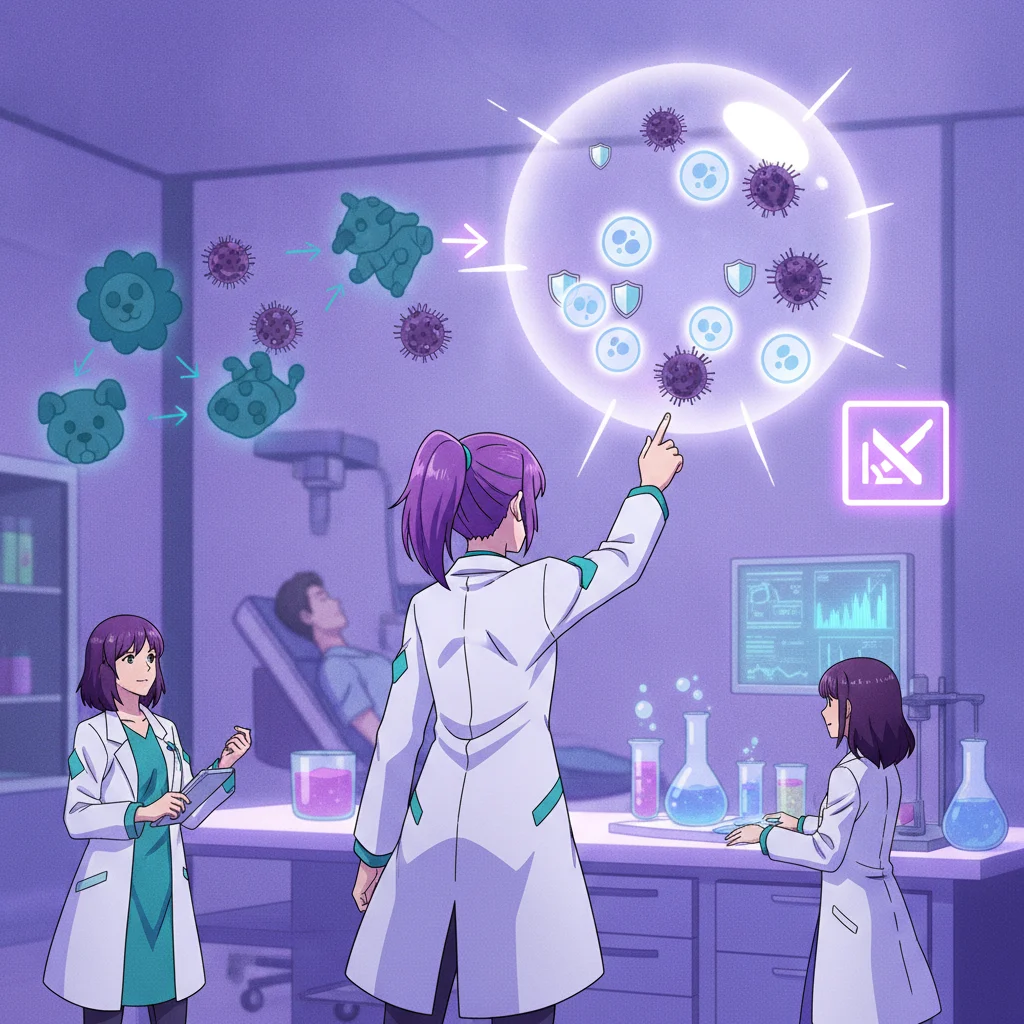
One of the most well-known examples of a transmissible cancer is the canine transmissible venereal tumour (CTVT), which affects dogs worldwide. This cancer is spread during coitus, with malignant cells physically transferred between animals. The tumour cells themselves are the infectious agent, having originated from a single dog thousands of years ago. These cells have since evolved to survive and proliferate across genetically diverse canine hosts.
Another stark example is the devil facial tumour disease (DFTD) in Tasmanian devils. This aggressive, invariably fatal cancer is transmitted through biting, a common behaviour during feeding and mating. The tumour cells are genetically identical across all affected devils, indicating a single clonal origin. The lack of genetic diversity within the Tasmanian devil population, coupled with the tumour's ability to evade immune recognition, has allowed DFTD to decimate their numbers. The impact of such diseases on vulnerable populations can be profound.
Marine bivalves, such as mussels and clams, also experience transmissible cancers known as hemic neoplasia. These leukaemic-like cancers spread through the seawater, with malignant cells being taken up by filter-feeding individuals. The immune systems of these invertebrates are less sophisticated than those of vertebrates, making them more susceptible to accepting foreign cells. The environmental transmission route highlights a different vector for these unusual diseases.
Why Humans Are Different
Humans, along with most other vertebrates, possess a highly sophisticated immune system that effectively prevents the transmission of cancer cells between individuals. The primary barrier is the major histocompatibility complex (MHC), also known as human leukocyte antigen (HLA) in humans. MHC molecules are cell surface proteins that display fragments of proteins (peptides) from within the cell to T-cells. If a cell presents foreign peptides, T-cells recognise it as non-self and initiate an immune response to destroy it.
Every individual has a unique set of MHC molecules, inherited from their parents. This genetic diversity ensures that the immune system can distinguish between self and non-self with remarkable precision. If cancer cells from one person were to enter another, the recipient's immune system would immediately recognise the foreign MHC molecules on the cancer cells and mount a vigorous rejection response. This is the same mechanism that leads to organ transplant rejection if donor and recipient are not sufficiently matched.
The genetic homogeneity observed in species like Tasmanian devils, where individuals are very closely related, significantly reduces the effectiveness of MHC-mediated immune rejection. In such populations, the MHC profiles of different individuals are often similar enough that foreign cells, including cancer cells, can sometimes evade detection. This is a rare evolutionary bottleneck that humans have largely avoided.
Exceptional Cases and Immune Compromise
While direct cancer transmission between humans is virtually impossible under normal circumstances, there are extremely rare, well-documented exceptions that highlight the importance of immune integrity. These cases typically involve severe immune compromise in the recipient or unusual circumstances of cellular transfer.
One such scenario involves organ transplantation. If an organ donor has an undiagnosed malignancy, and the recipient is heavily immunosuppressed to prevent organ rejection, there is a small risk that cancer cells from the donor organ could establish tumours in the recipient. These cases are exceedingly rare, as donor organs are rigorously screened for cancer, and the risk is carefully weighed against the benefit of transplantation. Even then, the cancer is of donor origin, not a newly acquired malignancy from the recipient's own cells.
Another theoretical, though practically non-existent, route could involve maternal-foetal transmission. While some maternal cancer cells can cross the placenta, the foetal immune system typically eliminates them. Cases of actual tumour formation in the foetus from maternal cancer cells are extraordinarily rare and usually involve specific types of highly aggressive cancers in severely immunocompromised mothers. The importance of communication around these rare risks cannot be overstated.
Surgical accidents, where a surgeon accidentally implants cancer cells from one patient into another, have been reported in medical literature, but these are isolated iatrogenic events, not natural transmission. These incidents are extremely rare and highlight the stringent protocols in modern surgical practice to prevent such occurrences. The risk of cancer diagnosis disparities also plays a role in how these rare events are documented and understood.
The Role of Viruses and Bacteria
It is important to distinguish between transmissible cancers, where the cancer cells themselves are the infectious agent, and cancers caused by infectious pathogens. Many viruses and some bacteria are known to contribute to cancer development by altering host cell DNA or creating a pro-oncogenic environment. For example, human papillomavirus (HPV) causes cervical cancer, hepatitis B and C viruses cause liver cancer, and Helicobacter pylori is linked to gastric cancer. These are cases of infectious agents causing cancer, not the direct transmission of cancer cells.
The distinction is vital for understanding public health interventions. Vaccinations against HPV and hepatitis B, for instance, are highly effective strategies for preventing these infection-related cancers. These interventions target the pathogen, not the cancer cells themselves. This is a fundamentally different biological process than the direct cellular transmission seen in dogs or Tasmanian devils. The development of new diagnostic tools for early detection of these cancers remains a priority.
The robust and diverse human immune system, particularly the highly polymorphic MHC system, stands as a formidable barrier against the direct transmission of cancer cells. This biological defence mechanism ensures that, unlike some unfortunate animal species, humans do not face the threat of catching cancer from one another. Our genetic diversity is, in this context, a powerful shield. For clinicians, understanding these fundamental immunological principles is key to reassuring patients and contextualising the nature of cancer. The Oxford Handbook of Oncology provides a comprehensive reference for these and other cancer mechanisms.
The biological reality of transmissible cancers in animals offers a stark reminder of the evolutionary pressures that shape disease susceptibility. For human medicine, it reinforces the profound importance of our immune system's ability to distinguish self from non-self. This fundamental immunological principle is why clinicians can confidently reassure patients that cancer is not contagious in the way an infection is.
The rare instances of iatrogenic or transplant-related cancer transmission, while concerning, are anomalies that highlight the critical role of immune suppression. They do not undermine the general rule but rather illustrate the specific conditions under which such an event might occur. Vigilance in donor screening and careful management of immunosuppression remain paramount in transplant medicine.
Understanding the distinction between direct cancer cell transmission and pathogen-induced oncogenesis is also vital. Public health efforts correctly focus on vaccination and infection control for viruses like HPV and hepatitis B, which are genuine cancer risks. This clarity prevents unnecessary alarm and directs resources to effective preventive strategies.
The human immune system's robust defence against foreign cells, particularly its MHC diversity, is a powerful evolutionary advantage. It protects us from a unique and devastating form of disease transmission that plagues some animal populations, allowing us to focus on the intrinsic causes and treatments of cancer.
- The Pivot Transmissible cancers, while rare, occur naturally in several animal species through direct cell transfer.
- The Data Human immune systems, particularly MHC diversity, effectively reject foreign cells, including malignant ones.
- The Action Clinicians should reinforce patient understanding that human cancers are not contagious, while appreciating the biological mechanisms that prevent such transmission.
ART-2026-1167
·08/26
Drafted with AI assistance, reviewed and approved by the editorial team. This publication is intended for healthcare professionals, researchers, and life science industry professionals. Content is provided for informational and educational purposes only and does not constitute medical advice.

I cover NHS policy, NICE guidance, and the gap between what the evidence says and what gets commissioned. I bring a health economics background to reporting on how health systems make decisions under uncertainty.
Cite This Article
Mistry D, Voss M. Why humans don't catch cancer from each other, unlike some animals. The Life Science Feed. Published August 14, 2026. Updated August 14, 2026. Accessed August 14, 2026. https://thelifesciencefeed.com/oncology/solid-tumors/insights/why-humans-dont-catch-cancer-from-each-other-unlike-some-animals.
Editorial & AI Standards
All content is researched from peer-reviewed, open-access sources: published trial data, clinical guidelines, and regulatory filings. AI tools are used solely to structure and summarise that evidence; no AI-generated conclusions appear without editor verification against the primary source.
Every article is reviewed by a named editor before publication. Source citations are listed in the References section. This content does not represent the views of any pharmaceutical company, medical device manufacturer, or healthcare provider.
Licence & Rights
© 2026 The Life Science Feed. All rights reserved. Unless otherwise indicated, all content is the property of The Life Science Feed and may not be reproduced, distributed, or transmitted in any form or by any means without prior written permission.
Medical Disclaimer
The information provided on The Life Science Feed is for educational and informational purposes only. It is not intended as a substitute for professional medical advice, diagnosis, or treatment. Always seek the advice of your physician or other qualified healthcare provider regarding any medical condition or treatment decision. Never disregard professional medical advice or delay in seeking it because of something you have read on this website.
References
1. Hoxha I, Sadiku F, Hoxha L, et al. Breast Cancer and Lifestyle Factors: Umbrella Review. Hematol Oncol Clin North Am. 2024;38(1):137-170. doi:10.1016/j.hoc.2023.07.005
2. Karube K, Satou A, Kato S. New classifications of B-cell neoplasms: a comparison of 5th WHO and International Consensus classifications. Int J Hematol. 2025;121(3):331-341. doi:10.1007/s12185-024-03781-5
3. Concin N, Matias-Guiu X, Cibula D, et al. ESGO-ESTRO-ESP guidelines for the management of patients with endometrial carcinoma: update 2025. Lancet Oncol. 2025;26(8):e423-e435. doi:10.1016/S1470-2045(25)00167-6
4. Tan AC, Ashley DM, López GY, Malinzak M, Friedman HS, Khasraw M. Management of glioblastoma: State of the art and future directions. CA Cancer J Clin. 2020;70(4):299-312. doi:10.3322/caac.21613
5. Avci A, Gün M. The Effect of Reiki on Pain Applied to Patients With Cancer: A Systematic Review. Holist Nurs Pract. 2023;37(5):268-276. doi:10.1097/HNP.0000000000000601
6. Bai XL, Li Y, Feng ZF, et al. Impact of exercise on health outcomes in people with cancer: an umbrella review of systematic reviews and meta-analyses of randomised controlled trials. Br J Sports Med. 2025;59(14):1010-1020. doi:10.1136/bjsports-2024-109392