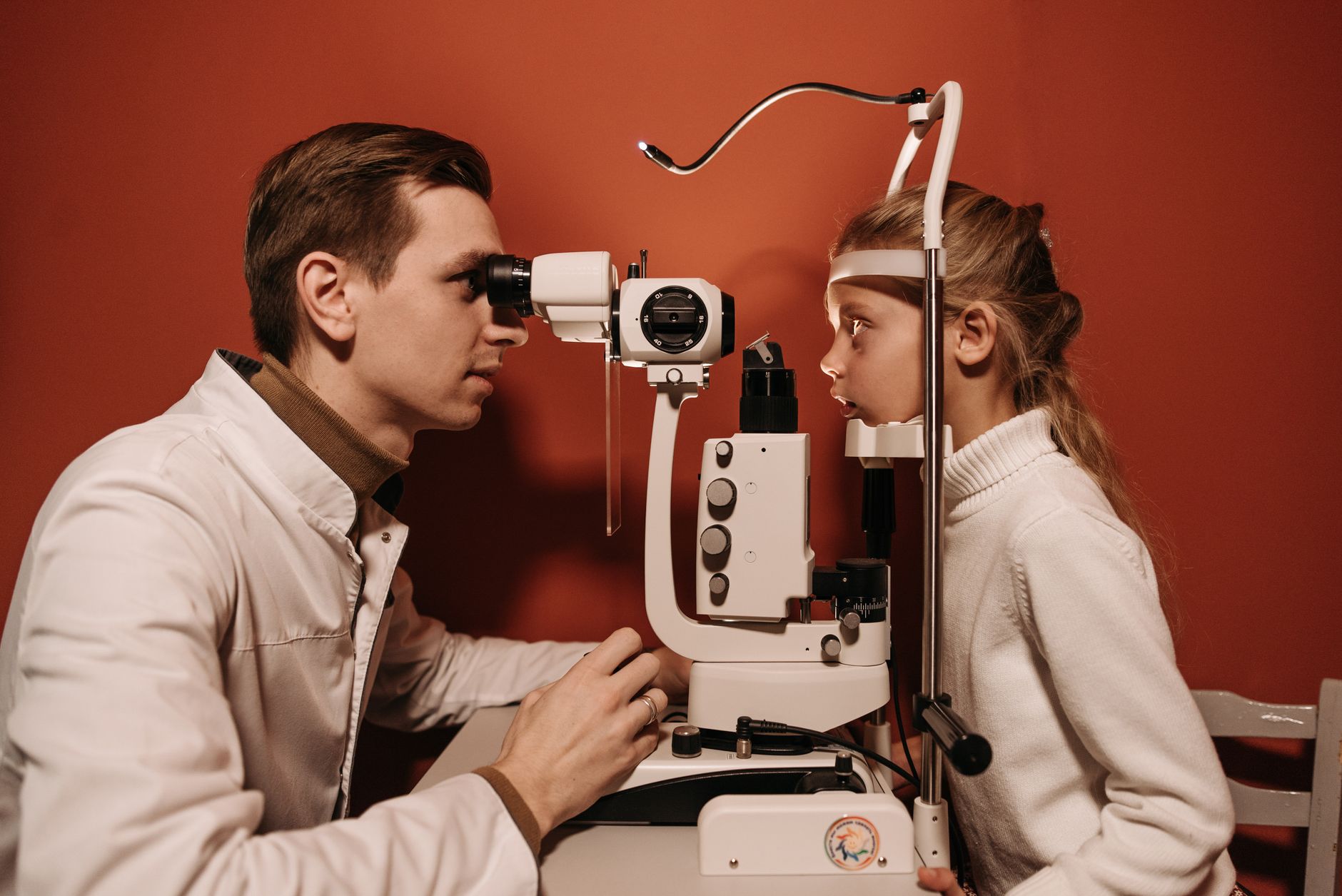
Myopia prevalence is increasing globally, posing a significant public health challenge due to associated risks of sight-threatening complications. While low concentration atropine eye drops have shown efficacy in reducing myopia progression in Asian populations, a recent UK multicentre trial found no significant benefit in a European cohort. Clinicians should note that these findings suggest the efficacy observed in other populations may not translate directly to UK children.
Myopia, or short-sightedness, is a growing concern, with projections indicating that half of the global population could be myopic by 2050. This condition is not merely a refractive error; high myopia significantly increases the risk of serious ocular pathologies, including retinal detachment, myopic maculopathy, and glaucoma. Consequently, interventions aimed at slowing myopia progression are of considerable clinical interest. Low concentration atropine eye drops have emerged as a potential strategy, with evidence from trials predominantly conducted in East Asia demonstrating a reduction in myopia progression. However, the generalisability of these findings to other populations, particularly those of European descent, has remained an open question.
The CHAMP-UK Trial
The CHAMP-UK (CHildren’s Atropine for Myopia Progression in the UK) trial was a multicentre, placebo-controlled, double-masked, randomised trial designed to evaluate the efficacy and safety of low concentration atropine eye drops for reducing the progression of myopia in children in the UK.1 The study aimed to provide robust, evidence-based data specific to a UK population, addressing the uncertainty surrounding the applicability of international findings.1
The trial enrolled 1,200 children aged 6 to 16 years with documented myopia.1 Participants were randomised to receive either low concentration atropine eye drops (0.01% or 0.025%) or a placebo, administered once daily for 24 months.1 The primary outcome measure was the change in spherical equivalent refraction (SER) from baseline to 24 months, a standard measure of myopia progression. Secondary outcomes included changes in axial length and the incidence of adverse events.1
The trial found no statistically significant difference in the progression of myopia, as measured by SER, between the atropine groups and the placebo group.1 Specifically, the mean change in SER at 24 months was comparable across all treatment arms.1 Similarly, there was no significant difference observed in the change in axial length.1 The safety profile of low concentration atropine eye drops was consistent with previous studies, with generally mild and transient adverse events reported, such as photophobia and blurred near vision.1 However, the lack of efficacy in reducing myopia progression in this UK cohort stands in contrast to the positive results reported in trials conducted in East Asian populations.1
The CHAMP-UK trial provides important data for clinicians managing myopia in UK children. The absence of efficacy in this population suggests that the mechanisms or contributing factors to myopia progression may differ between ethnic groups, or that environmental factors prevalent in the UK may mitigate the effect of atropine. The trial’s robust design, including its multicentre, placebo-controlled, and double-masked methodology, strengthens the reliability of its findings.1 Further research may be warranted to explore potential genetic or environmental modifiers that could explain these observed differences in treatment response across populations.
One potential explanation for the divergent results lies in the baseline characteristics of the study populations. East Asian populations often exhibit a higher prevalence and faster progression of myopia compared to European populations. This could imply a different underlying biological susceptibility or environmental exposure that influences treatment response. For instance, the greater genetic predisposition to myopia observed in some East Asian populations might interact differently with atropine compared to the genetic profiles more common in the UK.
Furthermore, lifestyle factors, such as time spent outdoors and near-work activities, are known to influence myopia development and progression. While the CHAMP-UK trial controlled for some demographic variables, subtle differences in these environmental exposures between the UK and East Asian cohorts, not fully captured or accounted for, could contribute to the observed disparity in atropine's efficacy. The trial's findings underscore the critical importance of conducting geographically and ethnically diverse clinical trials to ensure that treatment recommendations are evidence-based and relevant to the specific populations they aim to serve.
Clinical Implications and Future Directions
For UK clinicians, the CHAMP-UK trial provides clear guidance: low-dose atropine eye drops, at the concentrations tested, are not an effective treatment for slowing myopia progression in children of European descent. This necessitates a re-evaluation of current or prospective treatment strategies in this demographic, potentially shifting focus towards other interventions such as multifocal contact lenses or orthokeratology, which have demonstrated efficacy in diverse populations.
Future research should delve deeper into the genetic and environmental factors that modulate atropine's efficacy. Pharmacogenomic studies could identify specific genetic markers that predict response to atropine, allowing for a more personalised approach to myopia management. Additionally, further investigation into higher concentrations of atropine in European populations, or combination therapies, might be warranted, although the current evidence suggests a need for caution and robust clinical trials before widespread adoption.
The CHAMP-UK trial delivers a clear message for UK clinicians: low concentration atropine eye drops, despite their promise elsewhere, do not appear to offer a significant benefit in slowing myopia progression in British children. This outcome should prompt a re-evaluation of current prescribing practices. While the global literature, particularly from East Asia, has supported atropine's use, the direct applicability of those data to a predominantly Caucasian population has now been directly challenged. It is imperative that clinicians prioritise evidence from trials conducted in relevant populations when making treatment decisions, rather than extrapolating broadly.
For patients and their families, this means managing expectations. The hope that a simple eye drop could halt the progression of myopia, and thus mitigate future risks, is not supported by this UK-specific evidence. Optometrists and ophthalmologists should communicate these findings transparently, focusing on other established myopia management strategies, such as orthokeratology or multifocal contact lenses, where evidence of efficacy in this population may be stronger. The industry, particularly manufacturers of atropine formulations, must acknowledge these geographical and ethnic variations in treatment response. This trial underscores the need for diverse clinical trial populations to ensure that medical interventions are truly effective across the spectrum of human variability.
Ultimately, the CHAMP-UK trial reinforces a fundamental principle of evidence-based medicine: what works in one population does not automatically work in another. This is not a failure of atropine as a drug, but rather a clarification of its specific utility. Guidelines for myopia management in the UK should now reflect these findings, potentially recommending against the routine use of low concentration atropine eye drops for myopia progression in this demographic until further evidence emerges to delineate specific subgroups that might benefit.
- The Pivot Low concentration atropine eye drops, effective in some populations, did not reduce myopia progression in UK children.
- The Data The trial found no statistically significant difference in myopia progression between atropine and placebo groups.
- The Action Prescribing clinicians in the UK should reconsider the routine use of low concentration atropine eye drops for myopia progression based on these new data.
ART-2026-641
·09/26
Drafted with AI assistance, reviewed and approved by the editorial team. This publication is intended for healthcare professionals, researchers, and life science industry professionals. Content is provided for informational and educational purposes only and does not constitute medical advice.

Digital health and patient experience are my beat: the apps, the wearables, the real-world evidence claims, and whether any of it changes outcomes. Sceptical by training and optimistic by instinct.
Cite This Article
Ward S, Lopes W. Low-dose atropine drops show no efficacy for myopia in UK children. The Life Science Feed. Published July 1, 2026. Updated September 17, 2026. Accessed September 29, 2026. https://thelifesciencefeed.com/ophthalmology/cataract/research/low-dose-atropine-drops-show-no-efficacy-for-myopia-in-uk-children.
Editorial & AI Standards
All content is researched from peer-reviewed, open-access sources: published trial data, clinical guidelines, and regulatory filings. AI tools are used solely to structure and summarise that evidence; no AI-generated conclusions appear without editor verification against the primary source.
Every article is reviewed by a named editor before publication. Source citations are listed in the References section. This content does not represent the views of any pharmaceutical company, medical device manufacturer, or healthcare provider.
Licence & Rights
© 2026 The Life Science Feed. All rights reserved. Unless otherwise indicated, all content is the property of The Life Science Feed and may not be reproduced, distributed, or transmitted in any form or by any means without prior written permission.
Medical Disclaimer
The information provided on The Life Science Feed is for educational and informational purposes only. It is not intended as a substitute for professional medical advice, diagnosis, or treatment. Always seek the advice of your physician or other qualified healthcare provider regarding any medical condition or treatment decision. Never disregard professional medical advice or delay in seeking it because of something you have read on this website.
References
1. Azuara-Blanco A, Logan NS, McConnell E. Low concentration atropine eye drops and progression of myopia in children: multicentre placebo controlled, double masked, randomised trial in the UK (CHAMP-UK). BMJ.