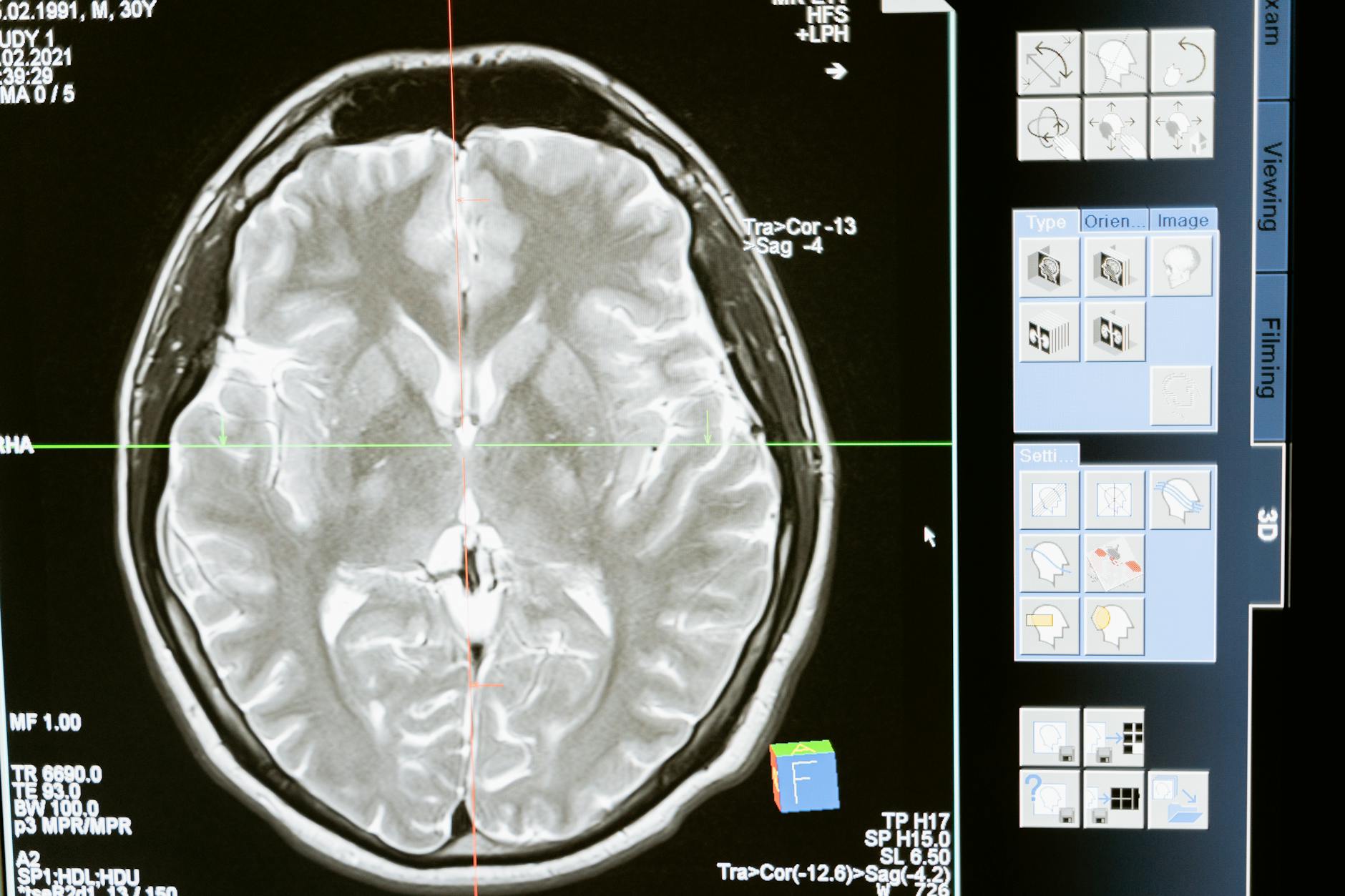

Amyotrophic lateral sclerosis (ALS) remains a devastating neurodegenerative disease with limited treatment options and a poorly understood etiology. Military service has long been recognized as a consistent risk factor, but the specific aspects of service contributing to this elevated risk have remained largely undefined. A new study published in Neurology sought to clarify these associations by examining military branch and rank.
ALS, a progressive neurodegenerative disorder affecting motor neurons, leads to muscle weakness, paralysis, and ultimately death, typically within 2 to 5 years of diagnosis. The disease's exact cause is complex and likely multifactorial, involving genetic predispositions and environmental exposures. While the link between military service and ALS has been established for decades, the granular details of which service characteristics contribute most to this risk have been elusive. Understanding these specifics could point to particular environmental or occupational exposures unique to certain roles or branches.1
Roberts and colleagues aimed to ascertain the association of United States military branch and rank with incident ALS. They conducted a large-scale retrospective cohort study, analyzing data from US veterans. The study population included a substantial number of veterans, allowing for robust statistical analysis across different service branches and ranks. Investigators collected comprehensive demographic and service-related information, including branch of service, rank at separation, and duration of service.1
Dissecting the Military-ALS Link
The study identified significant differences in ALS incidence across military branches. Air Force veterans faced a substantially higher risk of developing ALS compared to their counterparts in the Army, with a hazard ratio of 2.04 (95% CI, 1.88-2.21; P<.001). This finding suggests that exposures or operational environments specific to Air Force service may play a critical role in ALS pathogenesis. The Navy also showed an elevated risk, though less pronounced than the Air Force, with a hazard ratio of 1.46 (95% CI, 1.34-1.59; P<.001) relative to the Army. Marine Corps veterans, however, did not demonstrate a statistically significant difference in risk compared to the Army (HR 1.05; 95% CI, 0.94-1.17; P=.39).1
Beyond branch, military rank also correlated with ALS incidence. Officers across all branches exhibited a higher risk of ALS compared to enlisted personnel. The hazard ratio for officers was 1.32 (95% CI, 1.25-1.40; P<.001). This association remained consistent even after adjusting for potential confounders such as age, sex, and race. The distinction between officer and enlisted roles often involves different occupational duties, leadership responsibilities, and potential exposures, which could contribute to this observed difference. For example, officers may have greater exposure to certain chemicals or stressors associated with strategic planning or command roles.1
The study's methodology involved a comprehensive review of veteran health records, ensuring a large and diverse cohort. This allowed for detailed subgroup analyses that might not be feasible in smaller studies. The investigators meticulously adjusted for various demographic factors, strengthening the validity of their findings. But, the study was observational, meaning it could identify associations but not definitively prove causation. It did not directly measure specific environmental exposures, leaving the underlying mechanisms for these observed differences open to further investigation.1
One obvious caveat is the reliance on existing administrative data, which may not capture all relevant variables, such as specific deployments, combat exposure, or detailed occupational histories within each branch and rank. These unmeasured confounders could potentially influence the observed associations. The study also focused solely on US veterans, and whether these findings generalize to military personnel in other nations with different service structures and operational environments remains unclear. Still, the sheer size of the cohort and the consistent patterns observed across multiple analyses lend considerable weight to the findings. The Oxford Handbook of Neurology provides a concise reference for clinicians seeking to understand the broader context of neurodegenerative diseases like ALS.
The authors did not explicitly detail the specific exposures that might differentiate Air Force personnel or officers, but common hypotheses include exposure to jet fuels, solvents, pesticides, or even unique psychological stressors. The higher cognitive demands often placed on officers could also be a factor, though the biological pathway for such a link is not yet clear. Further research is needed to pinpoint the specific agents or conditions that drive these differential risks. This study provides a critical framework for future epidemiological and mechanistic investigations into ALS etiology in military populations.1
The implications for clinical practice and veteran health policy are substantial. Clinicians treating veterans should be aware of these differential risks, particularly when evaluating Air Force veterans or officers presenting with neurological symptoms. This heightened awareness could potentially lead to earlier diagnosis and intervention, though effective treatments for ALS remain limited. Furthermore, these findings underscore the importance of targeted screening programs and preventative strategies for high-risk veteran subgroups. Future research should prioritize identifying the specific environmental toxins or occupational stressors prevalent in these higher-risk groups, employing advanced methodologies such as biomarker analysis and detailed exposure assessments. This will be crucial for developing evidence-based interventions to mitigate ALS risk among those who have served.
The finding that specific military branches and ranks carry differential ALS risk refines our understanding of this complex disease. Clinicians evaluating veterans with neurological symptoms should move beyond a general inquiry about military service and specifically ask about branch and rank. This detailed history could inform risk stratification and potentially guide earlier diagnostic workups for those in higher-risk groups, such as Air Force officers.
For the military and public health sectors, these data demand a closer look at occupational exposures within the Air Force and officer roles. Identifying specific environmental toxins, chemical exposures, or unique stressors prevalent in these populations could lead to targeted preventive measures. This is not merely an academic exercise; it is about protecting those who serve.
The study does not provide immediate answers for prevention or treatment, but it sharpens the focus for future research. Investigators should now prioritize studies designed to identify the specific exposures or genetic predispositions that account for the elevated risk in Air Force personnel and officers. Without this mechanistic understanding, interventions will remain speculative.
- The Pivot Specific military branches and ranks carry differential ALS risk, moving beyond a blanket 'military service' association.
- The Data Air Force veterans had a 2.04 times higher risk of ALS compared to Army veterans (HR 2.04; 95% CI, 1.88-2.21; P<.001).
- The Action Clinicians should consider military service details, not just service itself, when assessing ALS risk in veterans, potentially guiding targeted screening or research into specific exposures.
ART-2026-1083
·08/26
Drafted with AI assistance, reviewed and approved by the editorial team. This publication is intended for healthcare professionals, researchers, and life science industry professionals. Content is provided for informational and educational purposes only and does not constitute medical advice.

I cover women's health, reproductive medicine, and the persistent gaps in how conditions that primarily affect women get studied and funded. The evidence base is thinner than it should be. I write about why.
Cite This Article
Mitchell S, Voss M. Why do some veterans face higher ALS risk than others?. The Life Science Feed. Published August 12, 2026. Updated August 12, 2026. Accessed August 12, 2026. https://thelifesciencefeed.com/neurology/amyotrophic-lateral-sclerosis/research/why-do-some-veterans-face-higher-als-risk-than-others.
Editorial & AI Standards
All content is researched from peer-reviewed, open-access sources: published trial data, clinical guidelines, and regulatory filings. AI tools are used solely to structure and summarise that evidence; no AI-generated conclusions appear without editor verification against the primary source.
Every article is reviewed by a named editor before publication. Source citations are listed in the References section. This content does not represent the views of any pharmaceutical company, medical device manufacturer, or healthcare provider.
Licence & Rights
© 2026 The Life Science Feed. All rights reserved. Unless otherwise indicated, all content is the property of The Life Science Feed and may not be reproduced, distributed, or transmitted in any form or by any means without prior written permission.
Medical Disclaimer
The information provided on The Life Science Feed is for educational and informational purposes only. It is not intended as a substitute for professional medical advice, diagnosis, or treatment. Always seek the advice of your physician or other qualified healthcare provider regarding any medical condition or treatment decision. Never disregard professional medical advice or delay in seeking it because of something you have read on this website.
References
1. Roberts AL, Vilela Braga AD, Tang IW. Association of Military Branch and Rank With Amyotrophic Lateral Sclerosis Incidence Among United States Veterans. Neurology. 2026;42525902.